
Philosophy
Gaudiya Vaishnavism
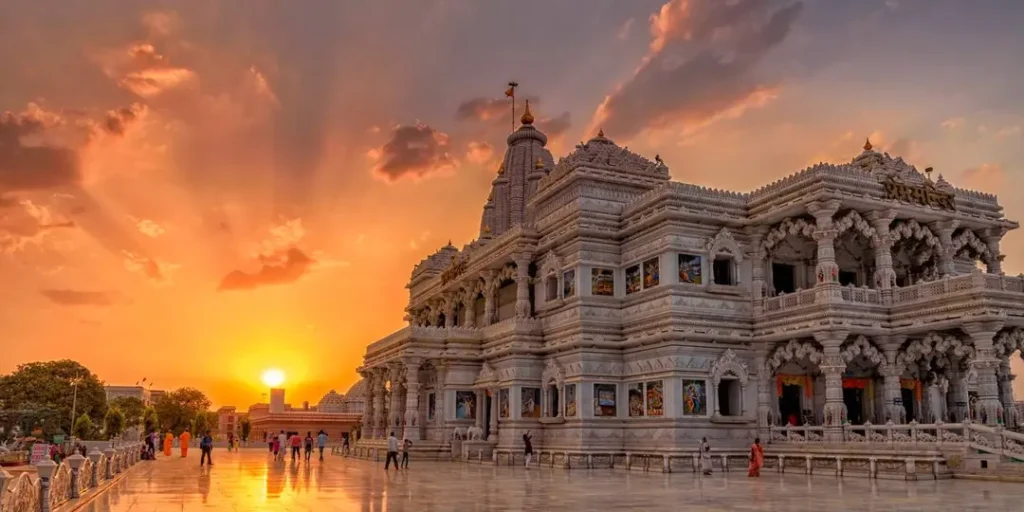
Gaudiya Vaishnavism is a devotional tradition rooted in the ancient Vedic scriptures of India. It teaches that our deepest happiness comes from reconnecting with our original source — Krishna, the Supreme Person — through loving devotion. Practiced and shared by the followers of Sri Chaitanya Mahaprabhu (16th century), this path is centered on the chanting of the Hare Krishna mantra, living a life of integrity, and cultivating compassion for all living beings. This tradition emphasizes bhakti — pure, selfless love for God — as the highest goal of life. It highlights the soul’s eternal nature, the importance of sacred texts like the Bhagavad-gita and Srimad-Bhagavatam, and the transformative power of spiritual association (sadhu-sanga) and daily practice (sadhana).
The Golden Avatar
1486
The Appearance of Sri Caitanya Mahaprabhu
Sri Caitanya was born in Navadvipa, Bengal, during a lunar eclipse. He was the second son of Jagannatha Misra and his wife Sacī Devī. Born Vishvambhara Mishra, he would later ignite a spiritual revolution through the joyful chanting of the holy names of God.
1492
Columbus reached the Americas
While Mahaprabhu was still a young child, Europe was entering the Age of Exploration. That same year, Christopher Columbus crossed the Atlantic, initiating lasting contact between Europe and the Americas.
1508
Mahaprabhu began His teaching and debate years
Now a brilliant scholar known as Nimai Pandita, he gained fame for his sharp intellect and rhetorical skill. But his true transformation was yet to come.
1510
Transformation in Gaya
Visiting the holy city of Gaya to perform rites for his deceased father, Mahaprabhu met Isvara Puri. There, he experienced a profound spiritual awakening and began manifesting ecstatic devotion.
1515
Pilgrimage to South India
Visiting the holy city of Gaya to perform rites for his deceased father, Mahaprabhu met Isvara Puri. There, he experienced a profound spiritual awakening and began manifesting ecstatic devotion.
1517
Luther's Reformation started in Europe
On October 1517, Martin Luther publishes his 95 Theses, triggering the Protestant Reformation. While Europe was questioning religious authority, Mahaprabhu was revitalizing bhakti in India.
1534
Last public years in Jagannatha Puri
Mahaprabhu spent his final years in intense devotional ecstasies with close associates in Jagannatha Puri. His teachings continued to be shared through the lives of His followers, especially the Six Gosvamis.
Maha Mantra
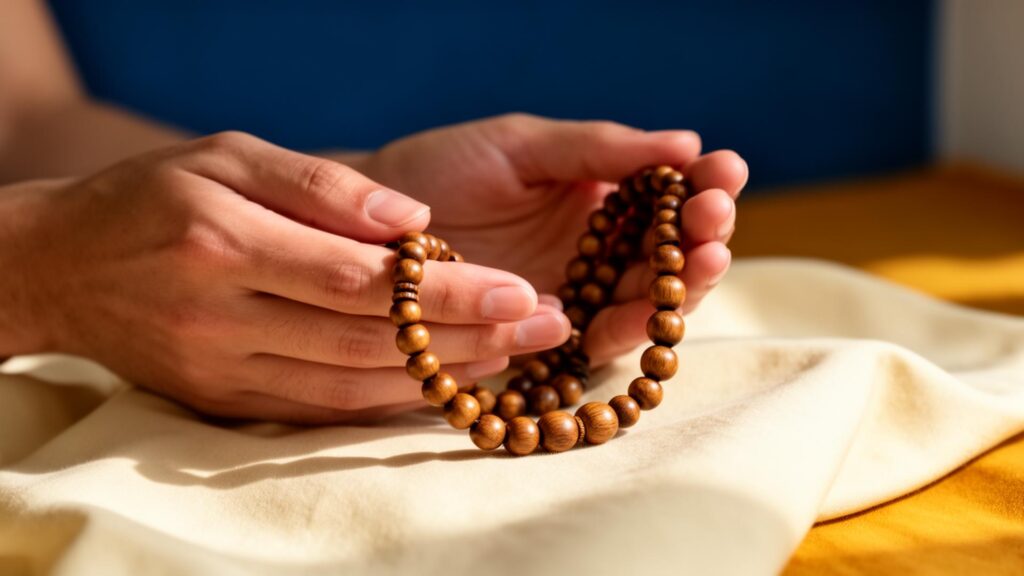
The Maha Mantra is a sacred call from the heart. By chanting these divine names –Hare, Krishna, and Rama– we awaken our original spiritual nature and reconnect with the source of eternal joy. Just chant, and let the mantra carry you back home.